
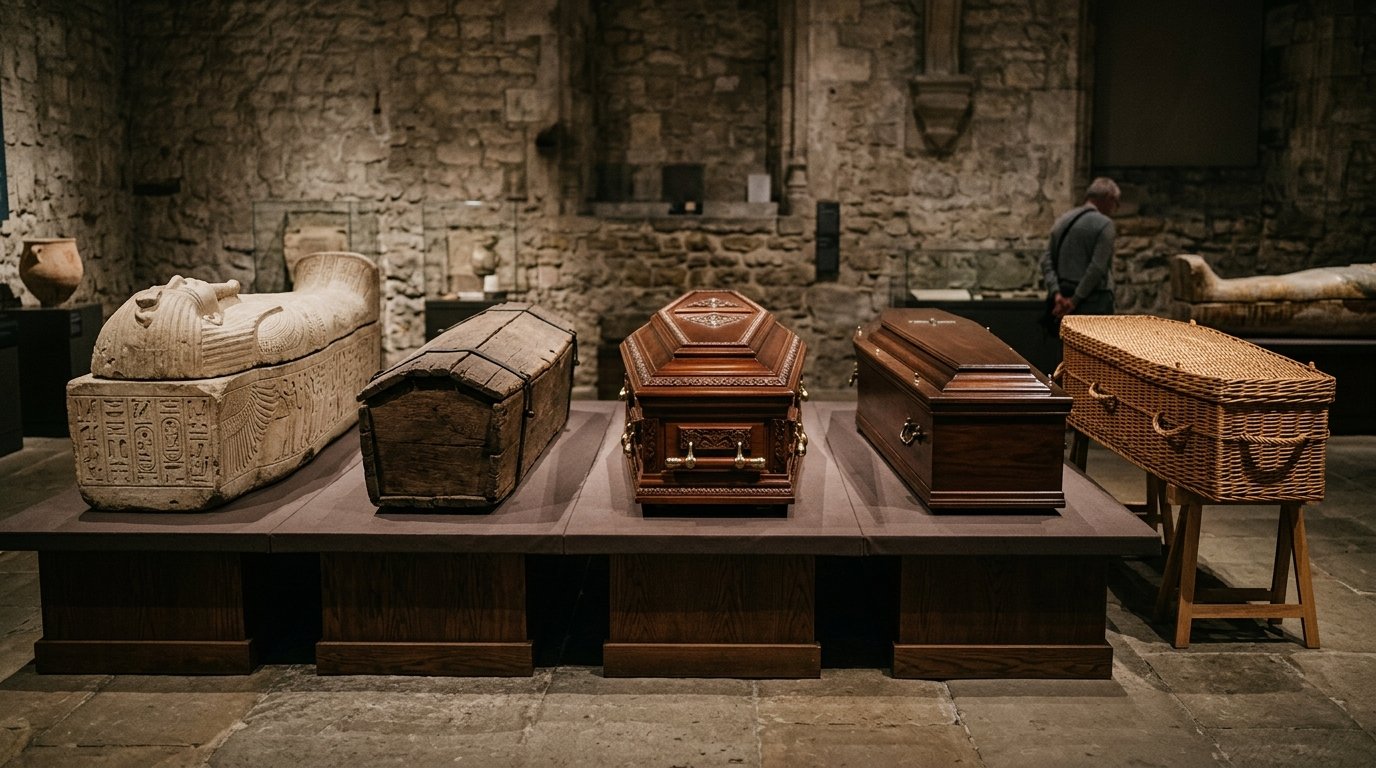
The Evolution of the Coffin: Craftsmanship, Dignity, and Modern Sustainability
For centuries, the coffin has served as more than just a vessel; it represents a profound symbol of honor, memorialization, and the final resting place of a cherished life. While the cultural significance of honoring the departed remains universal, the materials, manufacturing standards, and environmental practices behind modern coffin production have undergone a remarkable transformation.
Today, the global funeral industry strikes a thoughtful balance between honoring age-old artisan traditions and meeting the rigorous demands of modern logistics and eco-conscious regulations.
1. Wood Selection: The Soul of Traditional Craftsmanship
The choice of timber defines both the structural integrity and aesthetic solemnity of a coffin:
-
Oak & Walnut: Renowned for their strength, rich natural grains, and enduring presence, classic hardwoods remain the gold standard for traditional church ceremonies and earth burials.
-
Chestnut & Hornbeam: Valued for their dense fiber structure, subtle luster, and exceptional durability under varying climatic conditions.
-
Sustainably Sourced Pine & Poplar: Lightweight and highly renewable, softwood options provide an ideal foundation for modern minimalist designs and clean-burning cremation requirements.
2. Modern Innovations in Biosecurity and International Repatriation
As global mobility increases, the need for international deceased transport (repatriation) has led to specialized engineering:
-
Hermetic Zinc & Copper Liners: Purpose-built transit coffins incorporate solder-sealed inner metallic chambers (çinkomed) that ensure completely leak-proof, airtight, and odor-free conditions during international air freight.
-
Regulatory Compliance: Modern manufacturers build to strict international flight codes (IATA) and funeral service frameworks like EN 15017, ensuring complete structural safety across long-distance transit.
3. The Rise of Eco-Friendly and Cremation Solutions
Environmental consciousness has reshaped consumer preferences. Modern funeral homes increasingly seek products that respect the earth:
-
Clean-Combustion Cremation Caskets: Engineered from biodegradable woods and assembled with non-toxic, solvent-free adhesives that produce minimal ash and zero harmful flue gas emissions.
-
Biodegradable Interiors: Padded interiors made from unbleached natural cotton, calico, and linen eliminate synthetic plastics from the burial and cremation cycles.
Conclusion
From handcrafted solid hardwoods to precision-engineered transport caskets and eco-certified cremation models, the modern coffin represents the union of timeless dignity, master woodworking, and environmental responsibility. Choosing the right design is not merely a logistical necessity—it is an enduring tribute to life and legacy.